


If you have been wondering whether it is a good time to sell a house in Dublin, the short answer is yes. But the fuller answer depends on your property, your postcode, and what you are trying to achieve. This article gives you the honest picture of where the Dublin market stands in 2026, what is driving buyer demand, and how to decide whether now or later is the right call for you.
What the Dublin Property Market Looks Like Right Now
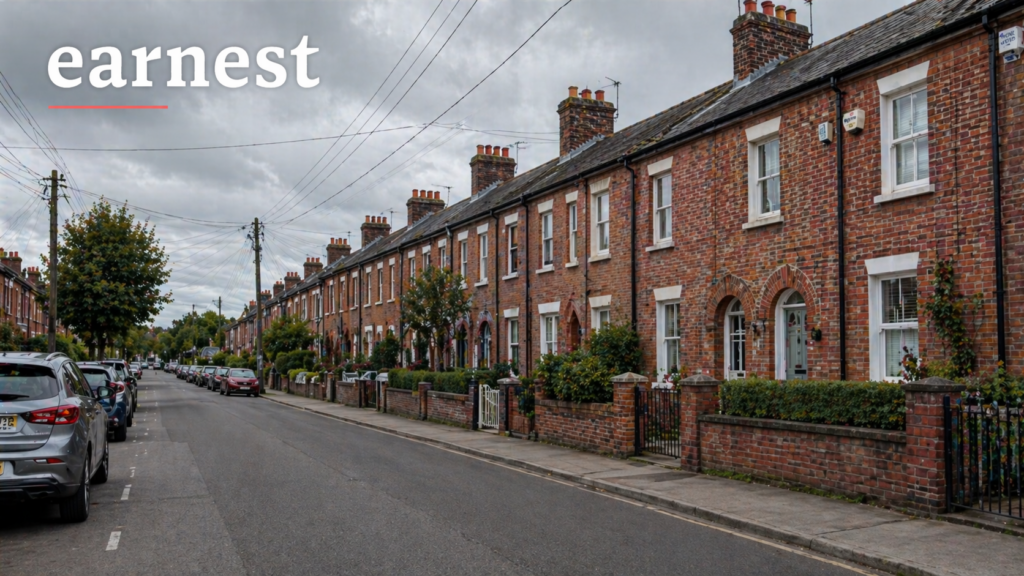
Dublin house prices are still rising. The Property Price Register shows average prices in Dublin sitting above €450,000 in 2026, with price growth continuing steadily into the year. That trajectory has not reversed. It has moderated from the sharper climbs of the post-pandemic period, but moderation is not a warning sign for sellers. It is a sign of a market holding at a high level, not retreating from one.
The structural issue driving that is unchanged: housing supply in Dublin cannot keep pace with buyer demand. Construction costs, planning constraints and delivery timelines mean no meaningful correction in supply is coming any time soon. For anyone holding residential property in Dublin right now, that gap is working in your favour.
Buyer activity is strong in 2026. Interest rates have come down from their recent peak, affordability has improved, and buyers who paused are back in the market. First-time buyers in particular are competing hard for well-priced family homes in good locations across the city. Properties in Dublin 5, Dublin 7, South Dublin and commuter belt areas with solid transport links are seeing consistent interest throughout the year.
The practical result: well-presented, accurately priced homes in desirable Dublin areas are not sitting on the market. A well-priced two-bed in Raheny or a three-bed semi in Smithfield is not a listing that lingers. Selling times are short when pricing is realistic, and that is what the current market is producing week after week in 2026. A decision you have been delaying for two years could realistically be completed within weeks of listing.
Dublin Sellers Have the Upper Hand. Here Is Why.
The housing shortage in Dublin is a structural problem, not a seasonal dip. Planning constraints, construction costs and delivery timelines mean that meaningful new supply is years away from making a dent in demand. That imbalance is not new in 2026. It has been the defining feature of the Dublin market for several years, and nothing on the horizon changes it materially.
Homes in prime locations across Dublin, and increasingly in areas with good transport links like South Dublin, Dublin 5, and the commuter belt around Celbridge and beyond, are attracting multiple interested buyers. Average property prices across the city have held firm, and in many sought-after postcodes they have continued to climb.
This is a market where motivated sellers with realistic asking prices are not waiting long. That is not marketing language. It is what the transaction data shows.
Spring Is the Strongest Window. But It Is Not the Only One.
The traditional advice is to list between March and May, when buyer activity peaks and gardens look their best. Spring does produce more viewings and, in competitive markets, better outcomes for sellers. That holds true in 2026.
That said, the Dublin market does not go quiet outside spring. Autumn, particularly September through November, produces strong buyer activity as families who paused over summer re-engage. And with housing stock so limited, even listings in December attract serious enquiries from buyers who have been searching for months and are ready to move.
The practical point: do not use seasonality as a reason to delay if your property is ready and your circumstances are right. A well-priced home in any month will find buyers in this market. Waiting for spring from October is often worth it. Waiting from March to the following March is not.
What Could Change the Calculation

Market sentiment in Ireland in 2026 is broadly positive, but it is not immune to external pressure. Uncertainty from global economic shifts, including volatility linked to United States trade policy and its knock-on effects on employment in Dublin’s tech sector, is worth watching. If demand from higher-income buyers softens, that could affect the top end of the market first.
Capital gains tax considerations also matter for some sellers, particularly investors or those selling a second property. Getting clear on the tax position before going to market is worth doing, not after.
For owner-occupiers, the biggest risk of waiting is not a price collapse. It is the cost of indecision. If you are planning to buy as well as sell, the market you are selling in is also the market you are buying in. Prices moving up help you as a seller and work against you as a buyer. The net position is often more neutral than people expect, which makes the timing question less about market conditions and more about your own readiness.
The One Decision That Affects Everything: Your Asking Price
Pricing is the most consequential decision you will make. Full stop. An asking price set too high in pursuit of a headline figure tends to create longer time on market, which in turn creates the impression that something is wrong with the property. Buyers notice. It is the single fastest way to undermine a sale before it has started.
The fear most sellers carry quietly is: what if I get it wrong? What if I price too low and leave money behind, or price too high and watch it sit? That fear is exactly why an accurate, well-researched valuation from a local estate agent who knows your Dublin postcode is worth more than any automated online estimate.
Presentation matters too. Well-presented homes sell faster and for stronger prices. That does not mean a full renovation. It means clean, decluttered, well-photographed and professionally marketed. Those things cost very little and move the needle more than most sellers expect.
The Honest Answer on Timing
The best time to sell is when buyer demand is strong, supply is limited and your property is ready. All three of those conditions apply in Dublin right now. The market is not perfect. No market ever is. But the conditions sellers need are in place, and the alternatives, waiting for something better to emerge or hoping next year looks different, are not strategies backed by anything concrete.
If you have been asking yourself whether it is time to sell, the honest answer is that the conditions right now are as favourable as they have been in years.
The next step is straightforward. Find out what your property is actually worth in today’s market. Not an estimate from a website that has never seen inside your home. A real valuation, from someone who knows your area and can show you the comparable sales that support the number.
At Earnest, we have been valuing and selling Dublin properties since 2004. No Sale, No Fee. Transparent pricing. One direct point of contact from valuation through to completion.
Book your free Dublin property valuation today and make this decision with the actual numbers in front of you.