

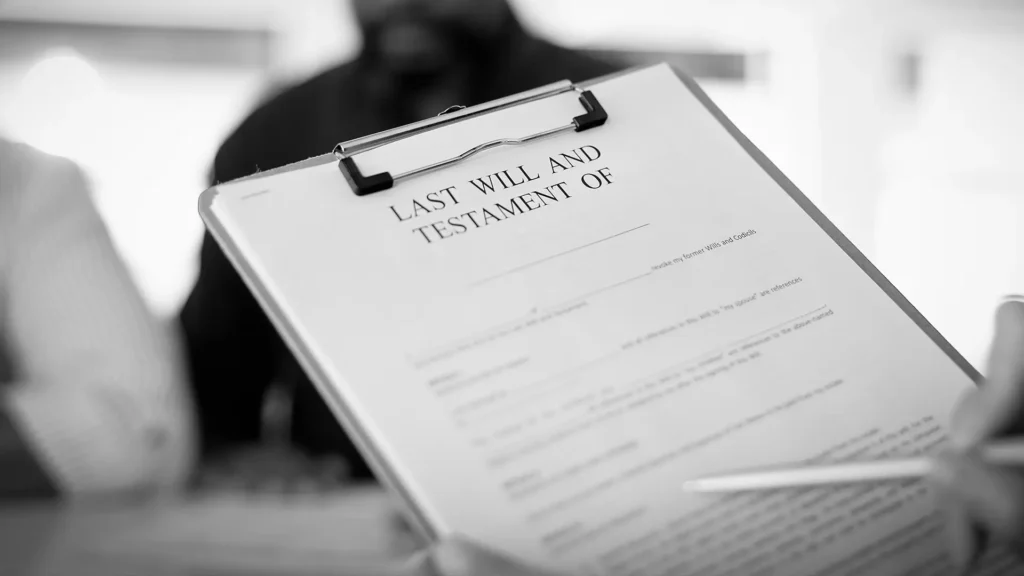
Selling a house in probate is one of the most common questions Irish families face after the death of a loved one. The straightforward answer is yes, you can sell a house in probate in Ireland, but the sale cannot officially close until the Grant of Probate is issued by the Probate Office. You can market the property, accept offers, and go “sale agreed” in the meantime. The Executor or Administrator manages the sale on behalf of the estate, but must wait for legal authority before ownership can transfer.
What Is Probate and Why Does It Affect a Property Sale?
When someone passes away in Ireland, their estate, including any property they owned, cannot simply be handed over to family members or sold straight away. The legal process that governs how a deceased person’s assets are managed and distributed is known as probate.
Probate involves applying to the Probate Office, which is part of the Irish Courts Service, for a legal document called the Grant of Probate where there is a will, or Letters of Administration where there is no will. This document gives the Executor or Administrator the legal authority to deal with the deceased’s assets.
Until that Grant is issued, no one has the legal power to sell or transfer the property. This is the central issue when selling a house in probate in Ireland.
Can You Market the Property Before Probate Is Granted?
Yes, and in many cases it makes strong practical sense to do so. While the Grant of Probate must be in hand before the sale can legally complete, there is nothing preventing an Executor or Administrator from taking the following steps beforehand: appointing an estate agent and listing the property on the open market, arranging viewings for prospective buyers, accepting an offer and going “sale agreed”, instructing a solicitor to begin the conveyancing process, and gathering title deeds and supporting documentation.
This parallel approach, marketing the property at the same time as applying for probate, can save months of waiting and is widely recommended by Irish solicitors and property professionals. All parties, including the buyer, must be aware that the sale cannot complete until the Grant is received.
The Role of the Executor or Administrator
The person responsible for managing the sale is the Executor named in the will, or the Administrator appointed where there is no will. This role comes with significant legal duties, including acting in the best interests of all beneficiaries, obtaining a fair market price for the property, ensuring all taxes and debts are paid from the estate before distribution, and keeping accurate records of all transactions.
An Executor cannot simply sell the property at whatever price they choose. If beneficiaries believe the property is being undersold or mismanaged, they may have legal grounds to challenge the sale. Instructing an independent, professional estate agent to carry out a proper market valuation is strongly advisable.
The Step-by-Step Process of Selling a House in Probate in Ireland
Step 1: Instruct a Solicitor
Your first step should be to engage a solicitor experienced in both probate and conveyancing. Many Irish solicitors can manage both elements simultaneously, which significantly reduces the overall timeline. They will apply for the Grant of Probate while also handling the legal side of the property sale.
Step 2: Apply for the Grant of Probate
The probate application requires submitting a number of documents to the Probate Office, including the original will if there is one, a death certificate, an Inland Revenue Affidavit (Form CA24), and full details of the estate’s assets and liabilities. Revenue must be satisfied before probate is granted, which means any outstanding tax liabilities need to be identified and addressed.
Step 3: Obtain a Property Valuation
A professional valuation from a licensed auctioneer is required both for the probate application and to set a realistic asking price. This valuation is submitted as part of the estate accounts to Revenue. It should reflect current market conditions in your area.
Step 4: List the Property and Accept an Offer
With a valuation in place, you can instruct an estate agent to list the property. Viewings can take place, offers can be accepted, and you can go “sale agreed” while waiting for the Grant. Your solicitor and the buyer’s solicitor can prepare contracts, carry out searches, and progress much of the conveyancing work in advance.
Step 5: Receive the Grant of Probate
Once the Probate Office issues the Grant, the Executor or Administrator has the legal authority to sign contracts and transfer the property. At this stage, contracts are exchanged, a closing date is set, and the sale proceeds to completion.
Step 6: Close the Sale and Distribute the Estate
On the agreed closing date, the title deeds transfer to the buyer and funds are released. The proceeds form part of the estate and are distributed to beneficiaries in accordance with the will or, if there is no will, under the rules of intestacy set out in the Succession Act 1965.
PPS Numbers: A Requirement You Cannot Overlook
One requirement that regularly catches families off guard is the PPS number rule. Revenue requires that all beneficiaries of the estate provide their Personal Public Service (PPS) numbers before the estate can be finalised. This applies even if the beneficiary lives outside Ireland.
Non-resident beneficiaries who do not already have a PPS number will need to apply for one through the Department of Social Protection. This can take time, so it is worth starting this process as early as possible to avoid delays at a later stage.
What About Jointly Owned Property?
If the property was held as joint tenants, which is the most common form of co-ownership between spouses and civil partners in Ireland, the rules are different. Under the right of survivorship, the surviving owner automatically inherits the deceased’s share without the need for probate.
In this situation, the surviving owner can sell the property without going through the probate process at all. They will still need to notify Revenue and may need to file an Inland Revenue Affidavit, but the process is considerably more straightforward.
If the property was held as tenants in common, where each party owns a distinct and separate share, probate is required to deal with the deceased’s portion before any sale can complete.
How Long Does Probate Take in Ireland?
Timelines can vary considerably, and the Irish probate system has experienced significant backlogs in recent years. For straightforward estates with a will and all paperwork in order, you can expect roughly 6 to 9 months from the date of death to the Grant of Probate. More complex estates or those requiring additional Revenue clearances can take 12 to 18 months or longer. Contested wills or disputes between beneficiaries can take several years.
The Probate Office has publicly acknowledged processing delays, which has caused real frustration for families waiting to finalise estates. Starting the probate application as early as possible, and simultaneously marketing the property, is the most effective way to reduce the overall wait.
Tax Implications When Selling a Probate Property
Capital Gains Tax (CGT)
CGT may be payable if the property increases in value between the date of death and the date of sale. The probate valuation, which is the market value at the date of death, is treated as the acquisition cost. Any increase in value above that figure is potentially subject to CGT at the current rate of 33%. This is a liability of the estate, not the beneficiaries personally.
Capital Acquisitions Tax (CAT)
Beneficiaries who inherit the proceeds of a property sale, or the property itself, may be liable for CAT, commonly known as inheritance tax. The amount depends on the value of the inheritance and the relationship between the deceased and the beneficiary. Group thresholds apply, meaning a child of the deceased has a significantly higher tax-free allowance than a more distant relative or non-family member. Given the complexity of tax obligations involved, specialist tax and legal advice should be sought early in the process.
Practical Tips for Selling a House in Probate
Instruct a solicitor immediately and do not wait until probate is granted. Starting early can shave months off the timeline. Choose an estate agent familiar with probate sales, as not all agents understand the additional complexity involved. Be transparent with buyers, since those who understand the situation are less likely to pull out and many actively seek probate properties. Gather all documents early, including title deeds, the original will, utility bills, and any planning permissions. Ensure all beneficiaries have PPS numbers, as this is a simple step that is frequently overlooked. Get a certified valuation that reflects genuine market value, as this is required by Revenue. Prepare the property for sale, since decluttering and basic presentation can make a meaningful difference to the final price achieved.
How Earnest Can Help
At Earnest, we work with Executors, Administrators, and families across Ireland who are navigating the sale of a property in probate. We understand this is often an emotionally difficult time, and we work to make the practical side of things as straightforward as possible.
Our team can provide a no-obligation market appraisal, guide you on realistic pricing, and manage the entire sales process from listing and viewings through to closing. We work closely with solicitors and can coordinate with your legal team to ensure the process runs smoothly. If you are dealing with a probate property and would like to talk through your options, get in touch for a confidential, no-pressure conversation.
Frequently Asked Questions: Selling a House in Probate in Ireland
Can I sell a house before probate is granted in Ireland?
You can market the property, accept an offer, and progress much of the conveyancing before probate is granted. However, the sale cannot legally complete until the Grant of Probate or Letters of Administration has been issued. Contracts cannot be signed and ownership cannot transfer until that point.
Who is responsible for selling a house in probate?
The Executor if there is a will, or the Administrator if there is no will, is legally responsible for managing the estate including the property sale. They must act in the best interests of all beneficiaries and are obliged to obtain a fair market price.
How long does it take to sell a house in probate in Ireland?
For straightforward estates, expect 6 to 12 months from the date of death to sale completion. Probate backlogs in Ireland mean it can take longer. Starting both the probate application and the property marketing simultaneously is the best way to reduce delays.
Do all beneficiaries have to agree to sell the house?
Not necessarily. If the will directs the Executor to sell, they can proceed without unanimous consent. Where beneficiaries cannot agree, the matter may need to be resolved through the courts, which can cause significant delays.
Can a buyer pull out of a probate sale?
Yes, until contracts are signed either party can withdraw. Because probate sales can involve a lengthy gap between “sale agreed” and closing, there is a risk that buyers may lose patience. Clear communication with the buyer throughout the process is essential.
Is CGT payable on a probate property sale in Ireland?
CGT may be payable if the property increases in value between the date of death and the date of sale. The probate valuation acts as the base cost and any gain above it is potentially taxable at 33%. Always seek advice from a solicitor or tax professional to establish the exact liability in your circumstances.
Do I need a solicitor to sell a house in probate?
In practice, yes. The probate process in Ireland involves interactions with Revenue and the Probate Office, and requires the preparation of legal documents that are difficult to manage without professional help. The conveyancing of the property itself also requires a solicitor. It is strongly advisable to engage one who can handle both the probate application and the property sale together.
What happens if there is no will?
If the deceased died intestate, meaning without a will, the estate is distributed according to the rules of intestacy set out in the Succession Act 1965. Instead of a Grant of Probate, the court issues Letters of Administration to an Administrator, usually the next of kin. The sale of the property proceeds in the same way, but the person managing it holds Letters of Administration rather than a Grant of Probate.
Disclaimer: This article is provided for general information purposes only and does not constitute legal or financial advice. Laws and procedures may change. Always consult a qualified solicitor and tax adviser before making decisions about a probate estate.