

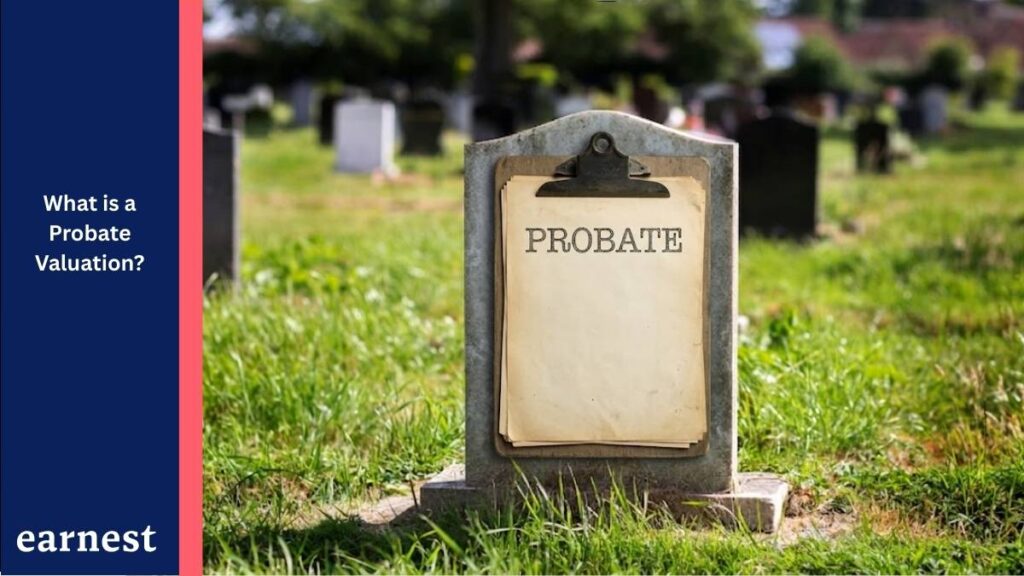
A probate valuation is the process of valuing a property so that inheritance tax may be calculated. This is typically initiated by the executor of the Will — ordinarily a family member, or a third-party professional such as a solicitor or accountant.
What is Probate?
Probate is a legal process carried out when someone dies. It begins by obtaining a Grant of Representation from the Probate Office, which gives the applicant authority to access the deceased’s assets and distribute the estate.
Probate also validates a Will — the Probate Office confirms that the Will is legally sound and reflects the deceased’s wishes.
Probate exists to protect beneficiaries. Without it, there would be no accountability, the deceased’s wishes may not be honoured, and financial institutions would have no legal basis on which to release assets.
Finally, probate allows the courts to confirm that the Will is valid and is the most recent version — important, as people often amend their Will toward the end of their life.
When is a Probate Valuation Needed?
A probate valuation is required whenever a deceased person owns property — whether or not that property is being sold. The property must be valued to establish its worth at the point it is passed on as part of an estate.
What is the Valuation Date?
The valuation date is when assets or capital forming part of an inheritance are formally valued. The market value is determined as the best price achievable if the property were sold on the open market on that date. This is also the date by which Revenue must be notified and any tax due must be paid.
What are the Different Types of Probate?
There are three main types of probate, each with their own requirements.
Grant of Probate
A Grant of Probate is a legal document confirming that the named executor(s) have the legal right to obtain, sell, or distribute the deceased’s assets.
Grant of Administration Intestate
Where an individual dies without a retrievable Will, a Grant of Administration Intestate is required. This allows the appropriate person to administer the estate in line with the rules of intestacy.
Grant of Administration with Will Annexed
This is issued by a probate court where a valid Will exists, but there is no named executor — or the named executor is unable or unwilling to act. An administrator is appointed to carry out the estate according to the Will’s terms.
The administrator is responsible for collecting and valuing assets, paying debts and taxes, and distributing what remains to the named beneficiaries. Court approval is required for key decisions, as the court must confirm the Will is valid and being followed correctly.
This process can be complex, and working with an experienced solicitor is strongly recommended to avoid legal disputes and ensure the estate is administered correctly.
It’s worth noting that a Grant of Administration with Will Annexed only applies to assets subject to probate — that is, assets held solely in the deceased’s name, not assets transferable by survivorship or those with a named beneficiary.
Is a Grant of Probate Always Required?
In most cases, yes. A Grant of Probate provides the legal authority needed to divide or transfer the deceased’s assets in accordance with their wishes.
An executor is usually named by the deceased — often one of their children or a trusted individual. If no executor is named, the courts may appoint an impartial third party, such as a solicitor or accountant.
What Taxes Apply to Probate?
Capital Gains Tax (CGT)
If you inherit an asset and later dispose of it, you may be liable for Capital Gains Tax. For CGT purposes, you are treated as having acquired the asset at its market value on the date of the deceased’s death — not at the value when you sell it.
Capital Acquisitions Tax (CAT)
CAT applies to both gifts and inheritances. You may receive gifts and inheritances up to certain tax-free thresholds over your lifetime. Once you exceed these thresholds, the excess is taxed at the current rate of 33%. Thresholds are reviewed periodically, so it’s worth checking Revenue’s current figures.
Probate Tax
Probate tax applied to deaths that occurred before December 2000 and has since been abolished.
When Do Beneficiaries Receive Their Inheritance?
Beneficiaries can only receive their inheritance once the Grant of Probate has been issued, all assets have been collected and liquidated by the executor, and all liabilities — including taxes — have been settled. Even in straightforward cases where the Will is uncontested and assets are readily available, the process typically takes 9 to 18 months.
Can a House Be Sold in Ireland Before Probate is Granted?
The sale process can begin before probate is granted, but the transaction cannot close until it is formally issued. Many sellers choose to run both processes in parallel, as the timelines are often similar. In some cases, being sale-agreed can actually help accelerate the granting of probate.
What Documents are Required?
To process probate, you will typically need:
- The deceased’s Will
- Contact details for all beneficiaries
- The Death Certificate
- A valuation of any property at the date of death
- Personal details of the deceased
- Details of any debts, including funeral costs
- A full list of assets, including title deeds
Can I Get a Free Probate Valuation?
Yes. It is possible to obtain a free probate valuation for a property. At Earnest.ie, we offer free probate valuations along with practical advice on how best to proceed with a sale.
Probate Property Valuations with Earnest.ie
At Earnest.ie, we have helped countless clients navigate the sale and purchase of property during what can be a difficult and complex time. We’re here to make the process as straightforward as possible.
If you have a property to sell as part of an estate, or simply need a valuation, contact Earnest.ie today. Time is often of the essence — we’re ready to help.